Making the Cut: Why Logistics Saves More Lives Than the Scalpel
Focus Tips:
- Global surgical access is a logistical crisis: 5 billion people lack safe care, a gap that requires “High-Impact Logistics” rather than traditional aid.
- The Surgeon-Strategist model uses MBA-level organizational efficiency to transform medical missions into high-growth “surgical sprints”.
- In resource-scarce environments, efficiency is a moral imperative; wasting time or supplies is a humanitarian failure.
In the operating room, we talk about “hemostasis” or the act of stopping the bleed. But as we look at the global landscape in 2026, it is clear that our healthcare systems are hemorrhaging under the weight of a massive “surgical gap”. To be a Surgeon-Strategist today means moving beyond the technical use of the scalpel and build “Survival-First” systems that can withstand the logistical crises of the real world.
The Harsh Reality of the “Real World”
I often reflect on the fact that my 16 years of medical training felt like a “walk in the park” compared to the complexities of the business world. In clinical training, you follow specific parameters within a shielded, public system. The true test begins when you venture into “unsafe territory” such as the realm of logistics and human resources where you are responsible for other people’s livelihoods and the total financial existence of an organization.
In my early days of setting up a practice in Regina, I recall the intense pressure of realizing that the contractor, the landlord, and the employees all get paid first. If there is nothing left at the end, that is on you. This “real world” friction teaches you more about human nature and management than any textbook. On balance, the single biggest success for any leader is not a complex procedure, but simply surviving. If you can keep the doors open through the “bad times,” you earn the right to thrive in the good ones.
The Guatemala Blueprint: High-Impact Logistics
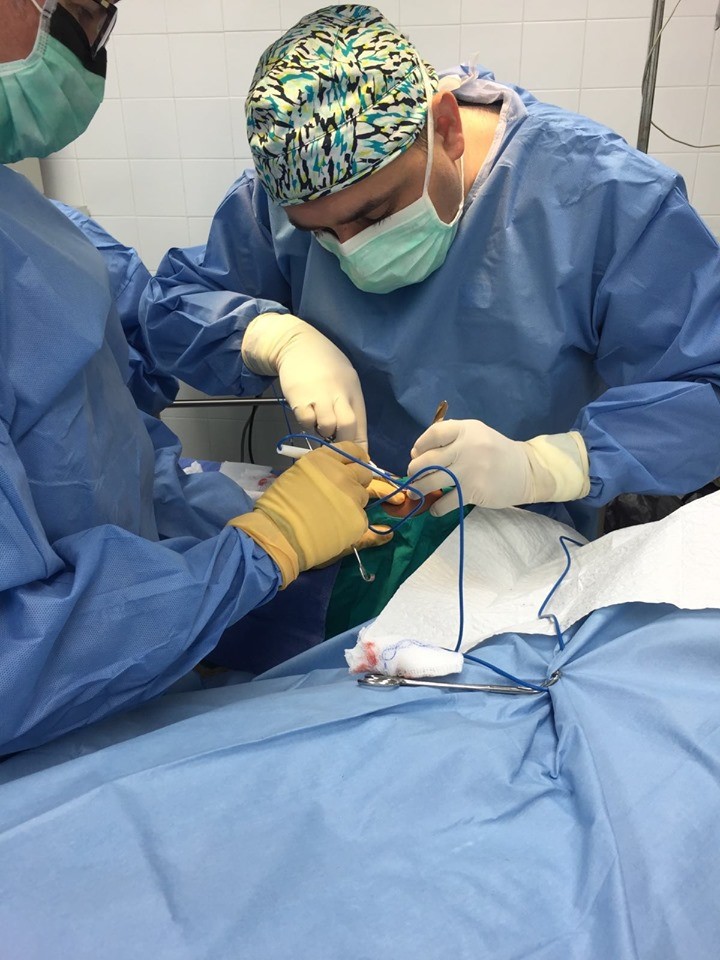
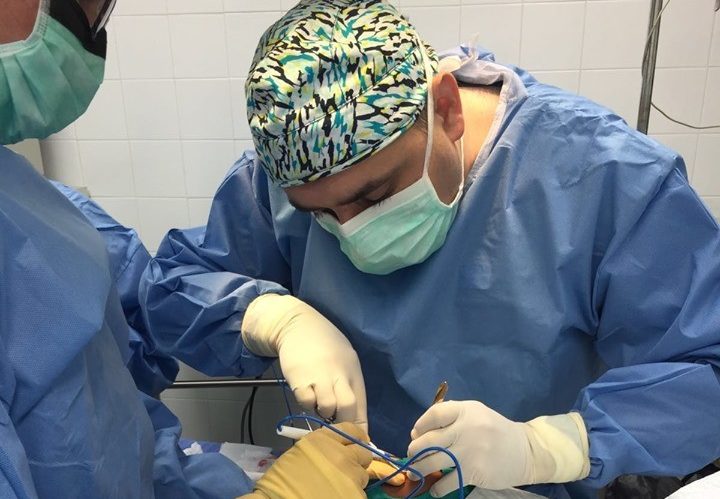
The clearest example of this “Survival-First” model was my mission to Guatemala. We didn’t just go to provide aid; we went with a logistical goal: nearly 30 surgeries in just seven days. In a 24-bed hospital where demand for hernia repairs and gallbladder removals was overwhelming, we couldn’t rely on slow, bureaucratic models.
This mission required the mindset of a high-growth startup. That meant moving away from traditional aid toward an agile, goal-oriented “surgical sprint”. By applying MBA-level precision to mission logistics, we addressed a high volume of unmet needs without sacrificing quality. This is the essence of High-Impact Logistics: treating a mission with the same discipline used to streamline healthcare delivery in the Canadian prairies or West Virginia.
The Data Behind the Mindset
To understand why this model is necessary, we must look at the numbers. The Lancet Commission on Global Surgery reports that 5 billion people lack access to safe, affordable surgical and anesthesia care. In low-income countries, 9 out of 10 people cannot access basic surgical services. This isn’t just a shortage of surgeons; it’s a failure of delivery systems.
Furthermore, research indicates that hospitals with physician-led leadership often see a 25% higher quality score in patient care compared to those run by professional managers without clinical backgrounds. This supports the “Surgeon-Strategist” movement: physicians must hold business credentials, like an MBA, to lead and fix broken systems. In the United States and Canada, business has become so intertwined with the ability to deliver healthcare that positive balance flow is now a requirement for institutional presence.
Efficiency as the Ultimate Ethics
Whether I am managing Body-Sculpting Regina or performing trauma stabilization in a university hospital, the goal remains the same: finding the balance between surgical precision and logistical flow. We must move away from the idea that physicians should only be technicians.
Efficiency is a moral choice. If a leader does not set the pace and instill a “culture of standards,” the system will veer off in a dozen different directions. Resilience in medicine is not just about having the best equipment; it is about having a “central authority” that understands human nature and manages resources so that the presence of the institution is maintained no matter the economic climate.